Top-Quality Gas Fireplace Setup for Comfortable Homes
Gas fireplaces enhance any home with comfort and sophistication. Proper installation is critical for both safety and efficiency. It involves selecting the appropriate model and ensuring compliance with local codes. Additionally, consistent upkeep is necessary for optimal operation. As homeowners consider this upgrade, understanding the installation process and possible challenges becomes important. What specific factors should one remember to secure a successful installation?
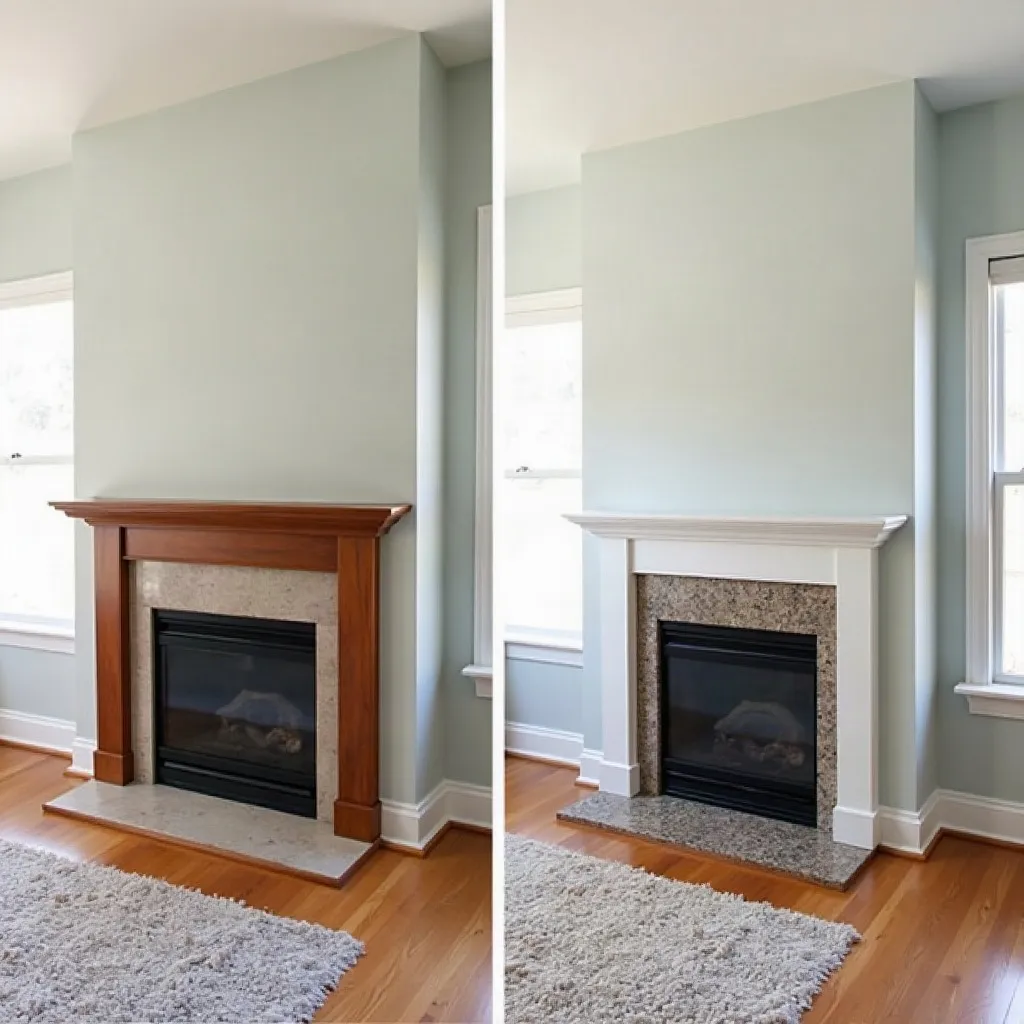
Install Your Gas Fireplace: A Comprehensive Guide
A gas fireplace installation can improve a living space, offering both warmth and ambiance. The first step requires selecting the appropriate model based on room size and aesthetic preferences. Next, the chosen location must be prepared, ensuring easy access to gas lines and proper ventilation.
Once the area is set, the installer must secure the fireplace following manufacturer specifications, ensuring it is plumb and stable. Linking the gas supply involves using correct fittings and ensuring sealed seals. After establishing the gas line, the ventilation system must be installed, channeling exhaust safely outside.
After the fireplace is installed, the final connections, including the ignition system, are finished. It's vital to conduct a detailed inspection for fuel leaks and correct functionality. Ultimately, the fireplace can be inspected, allowing the homeowner to enjoy their new source of warmth and style in their family room.
Essential Security and Location Factors for Gas Fireplace Setup
When installing a gas fireplace, many essential safety and location factors must be addressed. Proper ventilation requirements, sufficient distance from combustibles, and adherence to local building codes are vital to ensure safe operation. Failing to take into account these elements can lead to dangerous situations and potential regulatory problems.
Adequate Ventilation Needs
Correct ventilation is crucial for guaranteeing the safe operation of a gas fireplace, as it stops the buildup of dangerous pollutants and maintains indoor air quality. According to professional standards, appropriate exhaust systems must be set up to direct exhaust gases outside, effectively mitigating any risks associated with carbon monoxide and other pollutants. Homeowners should evaluate the type of venting system—direct vent, B-vent, or vent-free—based on the fireplace model and local building codes. Additionally, adequate air supply to the fireplace is vital; this can be accomplished through outside air intakes or ensuring adequate interior air circulation. Regular inspections and maintenance of the ventilation system are also essential to secure peak performance and safety, safeguarding the health of occupants in the home.
Clear the Space From Combustible Materials
Making sure sufficient distance from combustibles is essential for the secure installation of a gas fireplace. This distance safeguards nearby materials from thermal exposure, thereby minimizing fire risks. Generally, makers specify minimum distances that should be maintained between the fireplace and combustible materials, such as wood, insulation, and drywall. These requirements differ based on the fireplace model and installation type, requiring thorough review of the manufacturer's guidelines. Additionally, proper distance allows for sufficient airflow, which can improve efficiency and performance. Homeowners should also consider the room's layout, ensuring that furniture and decor do not infringe upon these safety zones. Adhering to these clearance standards is vital for both safety and ideal functionality. guards nearby materials from heat exposure, thereby lowering fire threats. Generally, builders specify minimum distances that should be maintained between the fireplace and combustible materials, such as wood, insulation, and drywall. These guidelines differ based on the fireplace model and installation type, compelling thorough review of the manufacturer's guidelines. Additionally, proper spacing allows for sufficient airflow, which can enhance efficiency and performance. Homeowners should also consider the room's layout, verifying that furniture and decor do not Upholding adequate clearance from ignitable materials is critical for the correct erection of a gas fireplace. This space secures nearby materials from intense heat exposure, thereby curtailing fire hazards. Generally, suppliers designate minimum distances that should be maintained between the fireplace and combustible materials, such as wood, insulation, and drywall. These requirements vary based on the fireplace model and installation type, requiring thorough review of the manufacturer's guidelines. Additionally, fitting spacing promotes for copious airflow, which can strengthen efficiency and performance. Homeowners should also consider the room's layout, guaranteeing that furniture and decor do not infringe upon these safety zones. Complying to these clearance standards is essential for both safety and ideal functionality.
Community Construction Standards
Local building codes serve an essential purpose in the safe installation of gas fireplaces, dictating vital safety protocols and placement regulations. These regulations guarantee compliance with regional safety standards, taking into account elements such as venting, gas line connection, and distance from combustible materials. Observing local codes reduces hazards such as gas leaks and fires, ensuring safety for residents and property alike. Consulting local authorities or licensed professionals is advised for homeowners to know specific requirements in their locality. Furthermore, inspections might be required to confirm compliance with these codes. Through adherence to local building codes, homeowners can appreciate the warmth and atmosphere of gas fireplaces while ensuring a safe environment for their families.
Pick the Proper Type of Gas Fireplace
Identifying the proper type of gas fireplace is fundamental for both functionality and convenience. Homeowners can decide between sealed and vented choices, each presenting unique advantages. Additionally, direct vent fireplaces extend benefits such as superior output and safeguards, establishing them a widespread selection in multiple installations.
Ventless Versus Traditional vented Alternatives
Selecting the proper gas fireplace type can significantly affect convenience and energy efficiency within a house. Because ventless gas fireplaces don’t require a chimney or venting, they offer ease in installation. They are perfect for smaller spaces or homes without existing venting. However, some homeowners may be concerned about indoor air quality and moisture buildup. Conversely, vented gas fireplaces safely expel combustion gases outside, resulting in a cleaner indoor atmosphere. They typically offer a more traditional aesthetic and can deliver higher heat output. Ultimately, the choice between ventless and vented options depends on individual preferences, home design, and local regulations regarding gas appliances. Each type has unique advantages that cater to different needs.
Direct Vent Strengths
Direct vent gas fireplaces provide a unique range of benefits that may enhance both safety and efficiency in home heating. Unlike traditional fireplaces, they suck fresh air from outside for combustion, preventing indoor air pollution and lowering the risk of backdrafts. This design allows for flexible installation options, as they can be vented through walls or roofs, doing away with the need for a traditional chimney. Additionally, direct vent systems are highly efficient, often achieving greater heat output with less energy use. Homeowners appreciate the consistent warmth they provide, along with the aesthetic appeal of a flickering flame. Overall, selecting a direct vent gas fireplace can greatly enhance home comfort while emphasizing safety and energy efficiency.
Understanding the Advantages of Gas Fireplaces
While many property owners value the aesthetic appeal of traditional wood-burning fireplaces, gas-powered fireplaces offer a distinctive combination of ease and efficiency that makes them an increasingly popular option. One key benefit is their ease of use; gas fireplaces ignite with the click of a switch, eliminating the need for wood or labor-intensive setup. Furthermore, they deliver steady warmth, guaranteeing a comfortable environment without the variations often associated with wood fires.
Gas fireplaces are also more eco-conscious, emitting fewer emissions compared to their wood-burning counterparts. Maintenance is simpler as well, needing regular maintenance rather than the substantial care typical of wood systems. Furthermore, many models come fitted with customizable flame controls, allowing homeowners to personalize their heating experience. Overall, these benefits make gas fireplaces an appealing choice for those seeking comfort and atmosphere without the hassle of conventional approaches.
Gather Your Equipment and Materials for Setup
Prior to commencing the installation of a gas fireplace, it's essential to gather the required tools and materials to guarantee a smooth process. Vital tools include a power drill, level, tape measure, and adjustable wrench, which facilitate precise measurements and secure fittings. A stud finder can assist in locating wall studs for mounting, while safety glasses and gloves offer protection during installation.
The components needed for the installation include the gas fireplace unit itself, appropriate venting components, gas line fittings, and sealing materials. A flexible gas line is often recommended for ease of installation, with a shut-off valve for safety. Additionally, having a fireproof barrier, such as cement board, may be necessary depending on local building codes. By collecting these tools and materials beforehand, the installation process can proceed efficiently, minimizing interruptions and confirming compliance with safety standards.
Gas Fireplace Installation: Widespread Pitfalls to Sidestep
Having assembled the required equipment and supplies for gas fireplace setup, it is essential to be aware of common mistakes that can hinder the process. One frequent mistake is neglecting to read the maker's guidelines completely, which can lead to improper setup and dangerous conditions. Furthermore, insufficient air circulation is often overlooked, causing poor air quality and potential health risks.
Yet another common mistake involves neglecting to review local building codes, potentially resulting in expensive penalties or the need for practical tips replacement. Improper gas line attachments may also pose serious safety issues, making it imperative to guarantee tight connections.
Ultimately, neglecting to test the fireplace following installation can leave users unaware of gas leaks or performance problems, compromising safety and performance. By avoiding these typical mistakes, homeowners can guarantee a successful and safe gas fireplace installation, improving comfort in their living spaces.
Preserve Your Gas Fireplace for Extended Comfort
Regular maintenance is crucial for ensuring a gas fireplace operates efficiently and safely over time. Homeowners should schedule annual checkups with a qualified technician to detect gas leaks, inspect the venting system, and clean the burners. This preventive care helps to prevent costly repairs and enhances safety.
Moreover, periodic cleaning of the glass doors, logs, and adjacent spaces is necessary. Dust and debris can block airflow and reduce efficiency. Homeowners should also monitor the flame appearance; a yellow or orange flame may reveal an issue requiring immediate attention.
Furthermore, swapping batteries in remote controls and ensuring that the thermostat performs correctly supports a pleasant environment. Checking on the pilot light is also vital; it should remain steady. By prioritizing regular maintenance, homeowners can experience the comfort and aesthetic of their gas fireplace for the foreseeable future, providing enduring contentment in their home spaces.
Regularly Asked Questions
What Is the Typical Price of Gas Fireplace Setup?
Installing a gas fireplace typically expenses between $2,000 and $5,000, based on elements such as the unit type, installation complexity, and any additional features. Homeowners should obtain multiple quotes to guarantee competitive pricing and quality service.
Is setting up a Gas Fireplace Something I Can Do Myself?
Putting in a gas fireplace yourself is viable but requires expertise in plumbing, electrical systems, and jurisdiction-specific codes. It's smart to reach out to professionals to verify security, peak performance, and code observance during installation.
What Permits Must You Secure for Gas Fireplace Setup?
Gas fireplace installation generally needs permits from local authorities, along with plumbing and electrical permits. Since regulations differ by area, contacting local authorities ensures you meet safety protocols and installation guidelines.
What amount of time should you expect for the Installation Process?
The installation process usually takes 4-8 hours, contingent upon the complexity of the setup and any necessary modifications. Considerations like current systems and local regulations can also impact the total timeframe.
Which Recommended Brands Are Recommended for Gas Fireplaces?
Multiple brands are frequently recommended for gas fireplaces, including Napoleon, Regency, and Vermont Castings. Each delivers diverse designs and capabilities, ensuring homeowners locate a model that fits their aesthetic and functional desires.